Posts

Showing posts with the label frustration

The effects of envy and admiration

Image
You meet someone who is obviously better at something than you are. What do you feel? Do you admire the person? Do you feel envy? What are the effects of these different emotions? Below you can first read about social comparison theory, which has something useful to say about these phenomena. Then, I mention new research by Niels van de Ven about the effects of these different emotions.

The vital role of frustration in deliberate practice

Image
I received many responses to my article How we can keep on breaking through performance ceilings . Most were positive, some where constructively critical. Most were about the claim that stretching one's abilities comes with a certain discomfort and frustration. One person asked whether this frustration or discomfort is really necessary. Another person asked whether this frustration does not contradict the progress principle which says that experiencing meaningful progress is very motivational ("how can experiencing frustration ever be motivational?").

How we can keep on breaking through performance ceilings

Image
Deliberate practice is a way of practicing which is very challenging yet very effective. Many studies have shown that prolonged deliberate practice plays an important role in the achievement of excellence in all kinds of disciplines. Deliberate practice has four basic characteristics: (1) goal-focus: individuals have clear goals of improving specific parts of their performance, (2) challenge: while practicing individuals constantly try something which is just above their current skill level, (3) feedback: while practicing, individuals get immediate expertise-based feedback, and (4) repetition: individuals repeat tasks until mistakes in their performance have been eliminated.

The negative effects of needs thwarting

Image
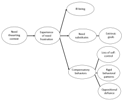
Self-determination theory shows that people have basic psychological needs for autonomy, competence, and relatedness. These basic needs are universal (people of every culture have them) and present throughout life. In this article Maarten Vansteenkiste and Richard Ryan say that the satisfaction of these basic needs is related to well-being and resilience. The frustration of these needs evokes feelings of ill-being and creates behavioral and psychological problems. The figure below (which I have very slightly adapted based on the text) summarizes the negative effects of the basic needs not being satisfied: